Streamlining Your Digital Connections with https://heylink.me/lavowin
In today’s fast-paced digital world, managing multiple online profiles can feel like a juggling act. Whether you’re a content creator, entrepreneur, or professional, you likely have links to your social media, portfolio, and other resources scattered across various platforms. This is where https://heylink.me/lavowin steps in as a powerful tool to centralize your online presence. This article explores how this link-in-bio solution can help you create a single, cohesive hub for all your digital content, making it easier for your audience to find everything in one place.
By consolidating your links, you not only save your followers time but also enhance your brand’s professionalism. Instead of directing people to multiple profiles, you can provide one clean, customizable page that reflects your identity. This approach is especially valuable for social media platforms that restrict the number of links you can include in your bio. With a dedicated landing page, you gain the flexibility to share as many resources as you need, update them in real-time, and track engagement to understand what resonates with your audience.
Why a Unified Link Hub Matters
Imagine having to visit five different websites to learn about a person’s work, interests, and services. That friction often leads to lost opportunities. A unified link hub solves this by offering a single point of access. It’s like having a digital business card that’s always up-to-date. For professionals, this means potential clients or collaborators can quickly scan your offerings and decide how to connect with you. For content creators, it simplifies the journey from discovery to action—whether that’s subscribing to a newsletter, watching a video, or supporting a project.
Moreover, a well-organized link page can significantly improve user experience. It reduces the cognitive load on visitors, as they don’t have to guess where to find specific information. By grouping related links, adding descriptive labels, and using clear visuals, you guide visitors intuitively. This thoughtful design fosters trust and encourages further exploration of your brand. In essence, a link hub is not just a collection of URLs; it’s a strategic tool for audience engagement.
Key Features That Enhance Your Online Presence
Platforms like the one at https://heylink.me/lavowin offer a suite of features designed to make your link page both functional and visually appealing. One of the most important is customization. You can often choose from various themes, colors, and fonts to match your brand identity. This ensures that your page feels like a natural extension of your website or social profiles, rather than a generic third-party page.
Another valuable feature is analytics. Understanding how many people visit your page, which links they click, and where they come from allows you to make data-driven decisions. For instance, if you notice that a particular product link gets more clicks, you might consider featuring it more prominently. If a specific social media channel is driving the most traffic, you can tailor your content accordingly. These insights are crucial for optimizing your online strategy and maximizing the impact of your digital presence.
Additionally, many link-in-bio tools support integrations with other services, such as email marketing platforms or e-commerce stores. This seamless connectivity means you can capture leads directly from your link page or drive sales without extra steps. The ability to add buttons for actions like “Shop Now” or “Subscribe” transforms your page from a simple directory into a conversion-focused tool. By leveraging these features, you can turn casual browsers into loyal followers or customers.
Best Practices for Crafting an Effective Link Page
Creating a link page is easy, but making it effective requires thoughtful curation. First, prioritize quality over quantity. While it’s tempting to list every possible link, too many options can overwhelm visitors. Instead, focus on the most important resources that align with your current goals. For example, if you’re promoting a new course, place that link at the top. If you’re building your email list, make the signup prominent.
Second, use clear and compelling labels. Avoid vague terms like “Click Here” or “Link”. Instead, use descriptive text that tells visitors exactly what to expect, such as “View My Portfolio” or “Listen to My Podcast”. This not only improves usability but also sets clear expectations. Additionally, consider using short, memorable URLs for your page. A custom domain or a simple slug can make your link easier to share verbally and in print.
Third, keep your page updated. A stale link page with outdated information can harm your credibility. Regularly review your links, remove broken ones, and add new content as it becomes available. This shows your audience that you’re active and engaged. Finally, test your page on different devices, especially mobile, since many users will access it from their phones. Ensure that the layout is responsive and that buttons are easy to tap.
Real-World Applications and Use Cases
The versatility of a link hub makes it suitable for a wide range of users. For social media influencers, it serves as a central repository for all their content platforms, merchandise stores, and sponsorship information. For small business owners, it can act as a mini-landing page that highlights services, booking links, and customer testimonials. Even for job seekers, a link page can compile a resume, LinkedIn profile, and work samples in one accessible location.
Event organizers can also benefit by using a link page to distribute tickets, schedules, and speaker bios. Similarly, non-profits can use it to direct supporters to donation pages, volunteer signups, and event calendars. The possibilities are endless. The key is to adapt the page to your specific needs and audience. By experimenting with different layouts and content, you can discover what works best for your unique situation.
Getting Started with Your Own Link Hub
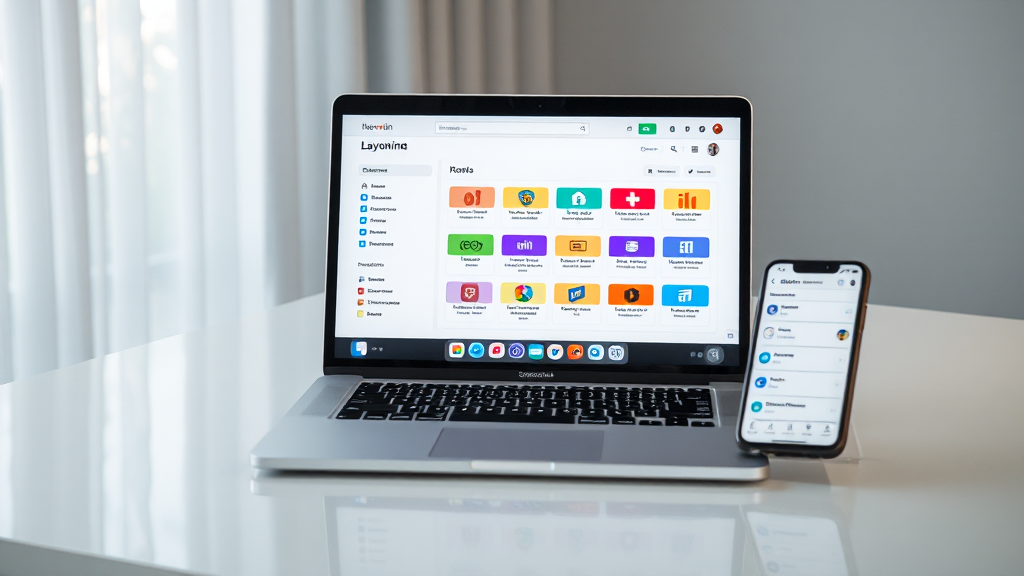
Setting up your own link hub is straightforward. Most platforms, including the one found at https://heylink.me/lavowin, require no technical skills. You simply create an account, choose a unique username or URL, and start adding links. The interface is typically intuitive, allowing you to drag and drop elements, customize the design, and publish instantly. In just a few minutes, you can have a professional-looking page ready to share.
Once your page is live, integrate it into your existing digital channels. Add the link to your social media bios, email signature, and even your business cards. The more places you promote your link, the more value it provides. Remember to monitor your analytics regularly and make adjustments as needed. Over time, your link page can become one of your most valuable digital assets, helping you build a stronger connection with your audience.
Frequently Asked Questions
What is a link-in-bio tool?
A link-in-bio tool is a service that enables users to create a single landing page that hosts multiple links. It’s commonly used on social media platforms like Instagram, where bios only allow one clickable link. Instead of constantly updating that link, you can use a static URL that points to a page containing all your important links.
Is it necessary to have a custom domain for my link page?
No, it’s not necessary, but it can be beneficial. A custom domain, such as yourname.com, can make your link page look more professional and easier to remember. However, most platforms offer a free subdomain (like the one referenced in https://heylink.me/lavowin) that works perfectly well for most users.
Can I track the performance of my link page?
Yes, most link-in-bio platforms provide basic analytics, such as page views, link clicks, and referral sources. This data is invaluable for understanding your audience’s behavior and optimizing your page accordingly. Some advanced tools offer even more detailed insights, like click-through rates per link.
How often should I update my link page?
It’s a good practice to review your link page at least once a month, or whenever you have a new important resource to share. Keeping your page current ensures that visitors always have access to the latest information. Regular updates also signal to your audience that you are active and engaged.
Conclusion
In an era where digital clutter is common, having a single, organized link hub is a game-changer. Platforms like the one at https://heylink.me/lavowin empower you to take control of your online presence, streamline how others connect with you, and ultimately enhance your digital strategy. By following best practices and leveraging the features available, you can create a link page that not only looks great but also drives meaningful engagement. So why wait? Start simplifying your digital life today and provide your audience with the seamless experience they deserve.
Readers who are interested in this topic will benefit from exploring multiple perspectives and understanding the nuanced approaches that industry leaders recommend. Taking time to research thoroughly ensures better outcomes and more informed decision-making.
Those looking to gain deeper knowledge in this area should consider following expert analysis, staying updated with the latest developments, and engaging with professional communities where these topics are discussed in detail.
A comprehensive understanding of this subject requires looking at both theoretical foundations and practical applications. By combining study with hands-on experience, learners can develop a well-rounded perspective that serves them well in real-world scenarios.
As the landscape continues to shift and evolve, staying informed about emerging trends and best practices becomes increasingly valuable. This ensures you remain competitive and capable of adapting to new challenges as they arise.

0 Comments